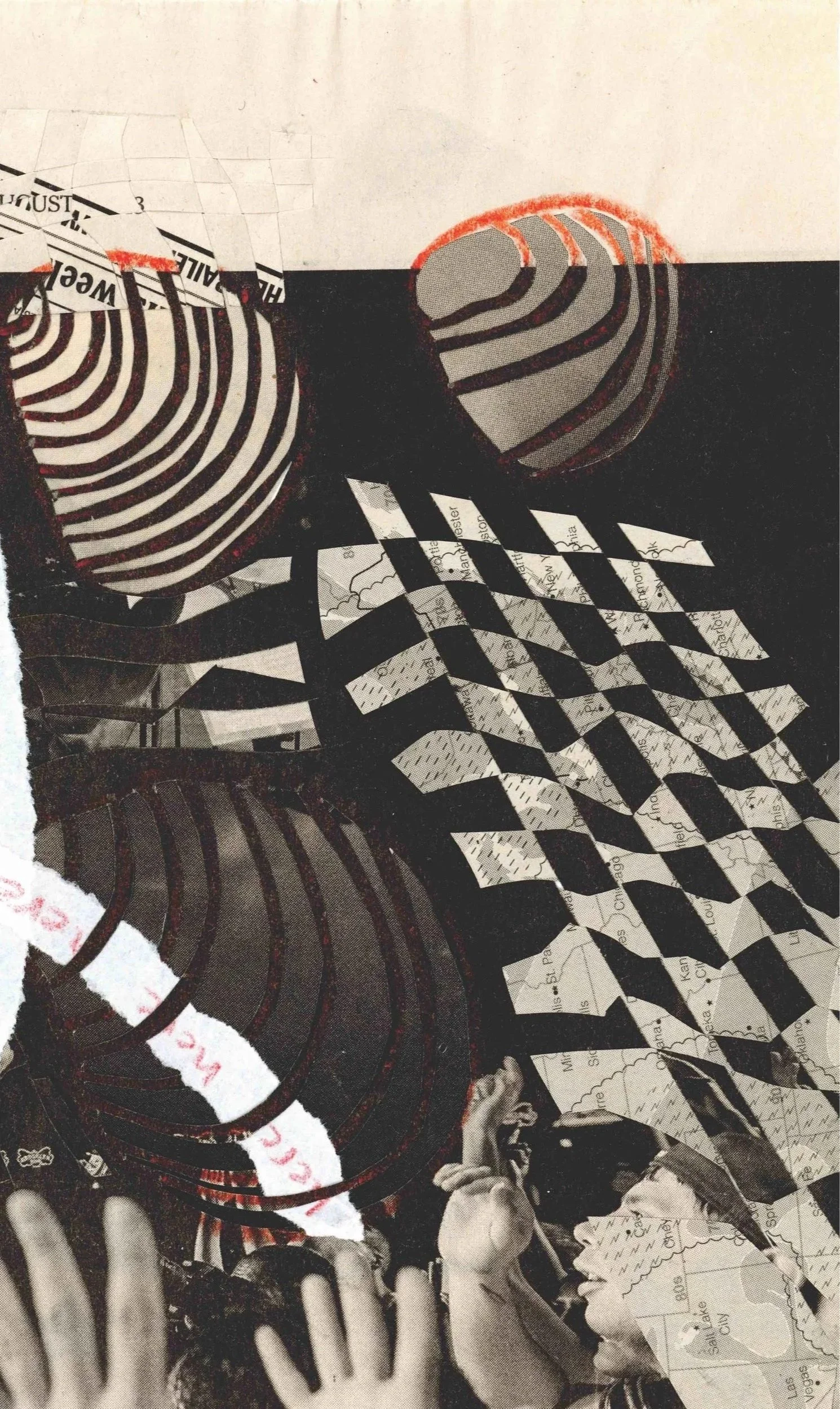
What is Delisted 2023?
Delisted 2023 is a creative communal emergent project engaging the extinction crisis.
Because the extinction and climate crises are the result of cultural, social and political ruptures between and among humans and nonhuman beings, Delisted 2023 seeks to help heal these ruptures and provide support for metabolizing ecological grief through relational and communal creative expression.
Delisted 2023 supports the recognition of the inherent dignity and wholeness of individual human and nonhuman beings.
Delisted 2023 relies on lists of species* accidentally curated by the intersection of the implementation of the Endangered Species Act (“ESA”) at certain points in time to identify the nonhuman beings we seek to work with creatively.
By centering nonhuman others and the more than human world, Delisted 2023 provides a means for people to encounter the strangeness and beauty of these others in all of their dignity and autonomy.
Delisted 2023 explicitly engages structures of power.
Delisted 2023 explores ways to disrupt the anthropocentric and extractive nature of western law and culture through creative disruption and countering legal and social narratives that strip away the inherent dignity of nonhuman and more than human beings.
Delisted 2023 is creative and rigorously cross-disciplinary.
Delisted 2023 relies on deep understanding of knowledges and practices including de-colonial approaches to biology, ecology and evolution, as well as freely shared Traditional and Indigenous Knowledges.
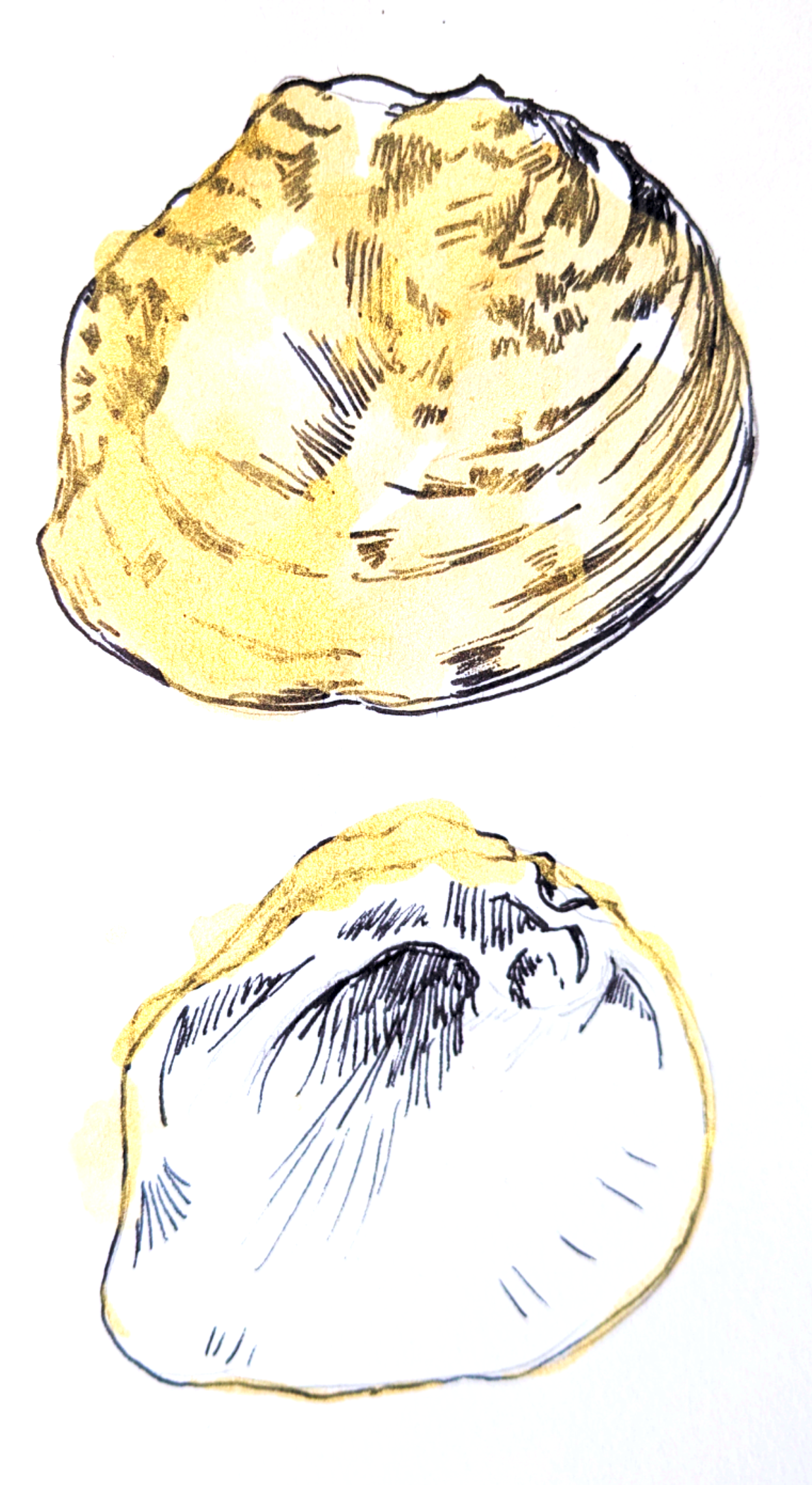
Liane Miedema Brown, stirrupshell image
Excerpted from the zine coedited by Liane Miedema Brown and Madhur Anand.
Delisted 2023’s Projects
Delisted 2023: Delisted Due to Extinction
Delisted 2023 began in January 2023 by focusing on the members of 34 species, subspecies and morphs (“species”) of plants, and nonhuman animals entwined in the functioning of the U.S. Endangered Species Act (“ESA”) and caught up in the extinction crisis.
From 2023 on, more than 45 artists, writers and collectives have created literary, visual, ceremonial and other pieces centering and honoring these species.
This list of 34 species is a snapshot of the implementation of the ESA. It is a list that existed coherently between October 2021 and November 2023—all of these species had been delisted or were proposed for delisting from the ESA due to extinction.
In October 2021, 11 of these species had been delisted due to extinction by the Fish and Wildlife Service (“FWS”) and the National Oceanic and Atmospheric Agency/Fisheries (“NOAA”). Collectively these two agencies, the “Services”, implement the ESA. That same month, FWS proposed a rule delisting 23 additional species due to extinction.
On January 25, 2023, the writers and artists, creative collectives and others began to work with this group of 34 species.
In November 2023, the FWS implemented the final rule, delisting 21 of the 23 species, holding off on delisting one species, and withdrawing the 23rd species from consideration
These are not species participants might chose to work with. Many were unknown to the artists, and none save a handful are subject popular treatments of the natural world.
Centering these species makes clear that all living forms are sacred. To work with these species involves encountering discomfort, the hidden, strange, and unknown; experiences necessary to discover the surprising, remarkable, multitudinous natures inherent in these nonhuman beings.
Phyllostegia glabra var. lanaiensis
Eastern Puma
Little Marianas Fruit Bat
Caribbean Monk Seal
Tecopa Pupfish
Longjaw Cisco
Blue Pike
San Marcos Gambusia
Amistad Gambusia
Scioto Madtom
Ivory Billed Woodpecker
Kaua’i Nukupu’u
Kāmaʻo
Dusky Seaside Sparrow
Santa Barbara Song Sparrow
Nosa’
Mariana Mallard
Chuguangguang
Kākāwahie
Maui ‘akepa
Kauaʻi ʻōʻō
Kaua’i ‘akialoa
Po’ouli
Bachman’s Warbler
Sampson’s Pearly Mussel
Turgid Blossom Pearly Mussel
Southern Acornshell
Flat Pigtoe
Stirrupshell
Yellow Blossom Pearly Mussel
Green Blossom Pearly Mussel
Upland Combshell
Tubercled Blossom Pearly Mussel
Maui Nukupu’u
Delisted 2023 Creative Commenting
Delisted 2023’s “Creative Commenting” is an experiment in using creative expression to center nonhuman beings in submissions to federal agencies and other during public comment periods.
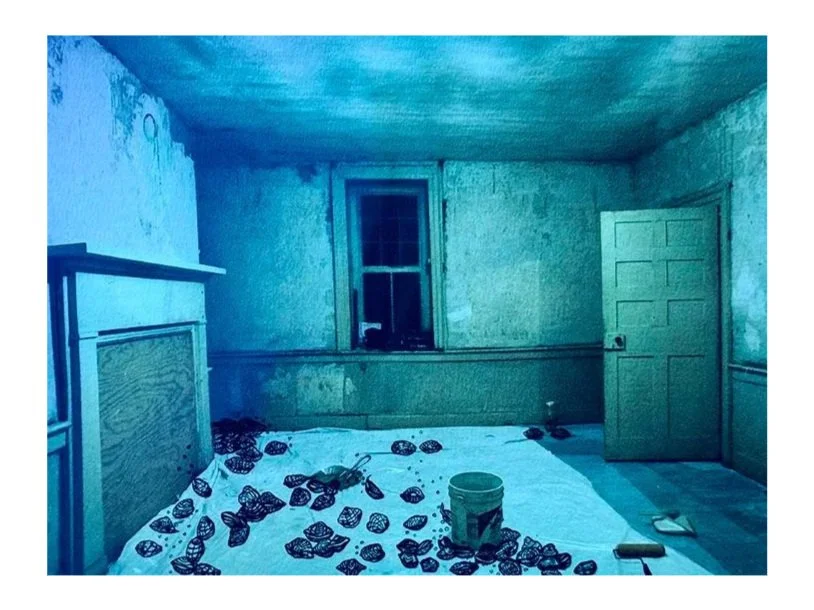
Under the ESA, the FWS and NOAA must allow for public comment when they propose to implement or rescind a rule. These rules include listing and delisting species, as well as guides for implementing the ESA. Comment periods on proposed rules are important because the Services must consider each comment when they make their final decisions. Further, these comment periods provide the opportunity for potential future plaintiffs to submit evidence in support or opposed to the rule as proposed.
Creative comments are different from the type of comments that organizations, members of the public and others submit urging for or against a particular proposal. They are also different from the type of comments lawyers submit in in anticipation of lawsuits.
Creative Comments aim to center and hold space for the species and nonhuman beings most deeply implicated by the proposed rule. The goal is to disrupt the conventional process that tends to exclude the beingness of nonhuman beings and the humans involved.
To date Delisted 2023 has submitted three creative comments for four species, the Virginia sneezeweed, the utes ladies’ tresses, the Chipola slabshell and the fat threeridge.
L.A. Watson, We will always live here…
Excerpt from comment on proposal to delist the Chipola slabshell and the fat threeridge
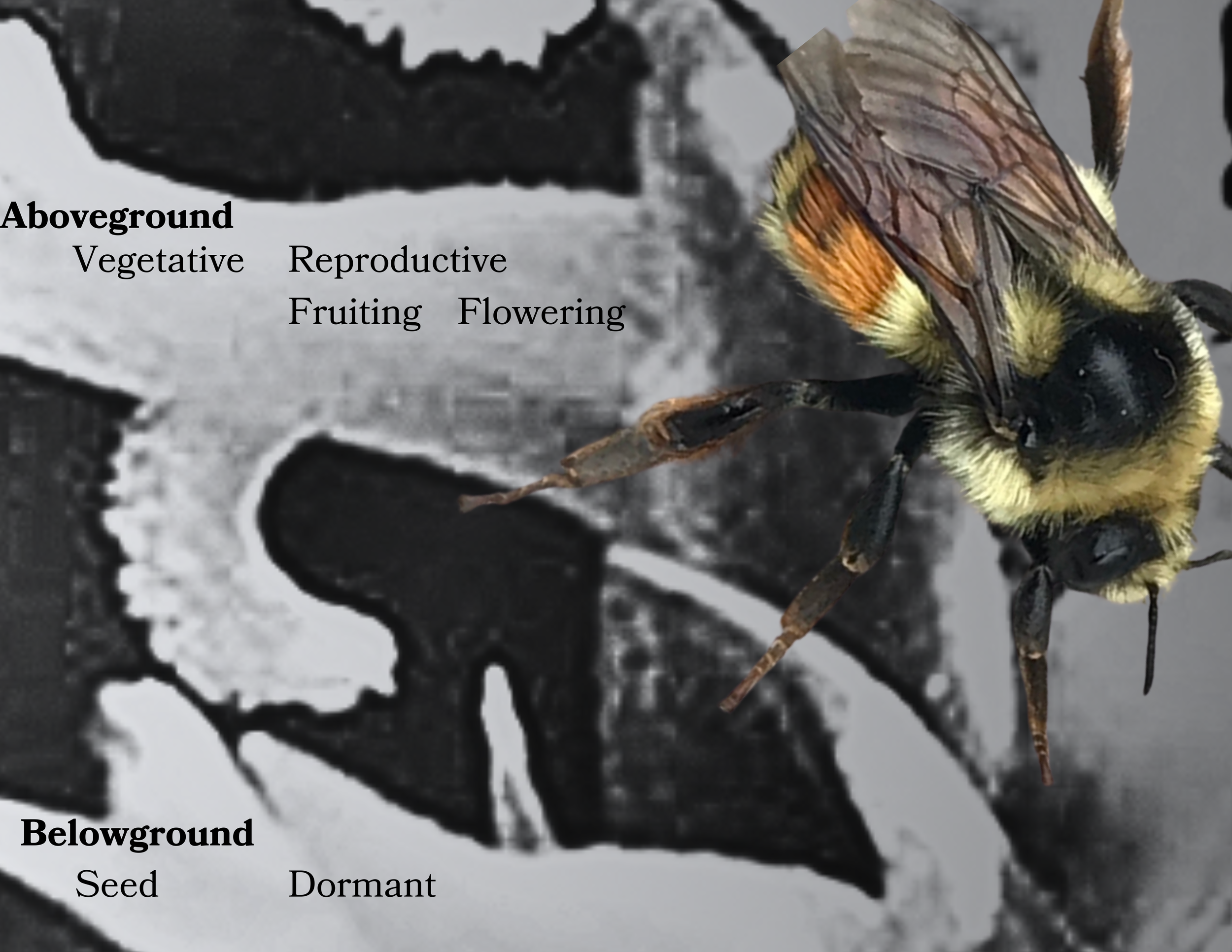
Jennifer Calkins, orchid
Excerpt from comment on proposal to delist the utes ladies’ tresses